A picket fence is not really about keeping anything in or out. It frames the house. It tells you where the yard ends and the sidewalk begins. Done well, it looks like it has always been there. Done poorly, it looks like something from a box store catalog bolted onto a historic porch.
Salisbury has a lot of houses where that difference matters. It pays to take the time to get it right.
Picket styles for older and newer homes
- Traditional flat or pointed-top pickets. Simple, evenly spaced, usually 3 to 4 feet tall. The classic front-yard fence.
- Dog-ear pickets. Clipped corners, a little more casual. Common on newer homes.
- Scalloped or arched runs. Picket heights rise and fall between posts. More decorative and best on houses with some trim detail.
- Decorative pickets. Gothic, French gothic or custom cut tops, for houses with Victorian or other ornate detailing.
- Capped posts. Square posts with caps, or a more substantial post at corners and gates, give the fence weight and a finished look.
Painted wood is the traditional choice. Vinyl and aluminum options work for front yards too. See vinyl fences and aluminum and ornamental fences if low upkeep is a priority.
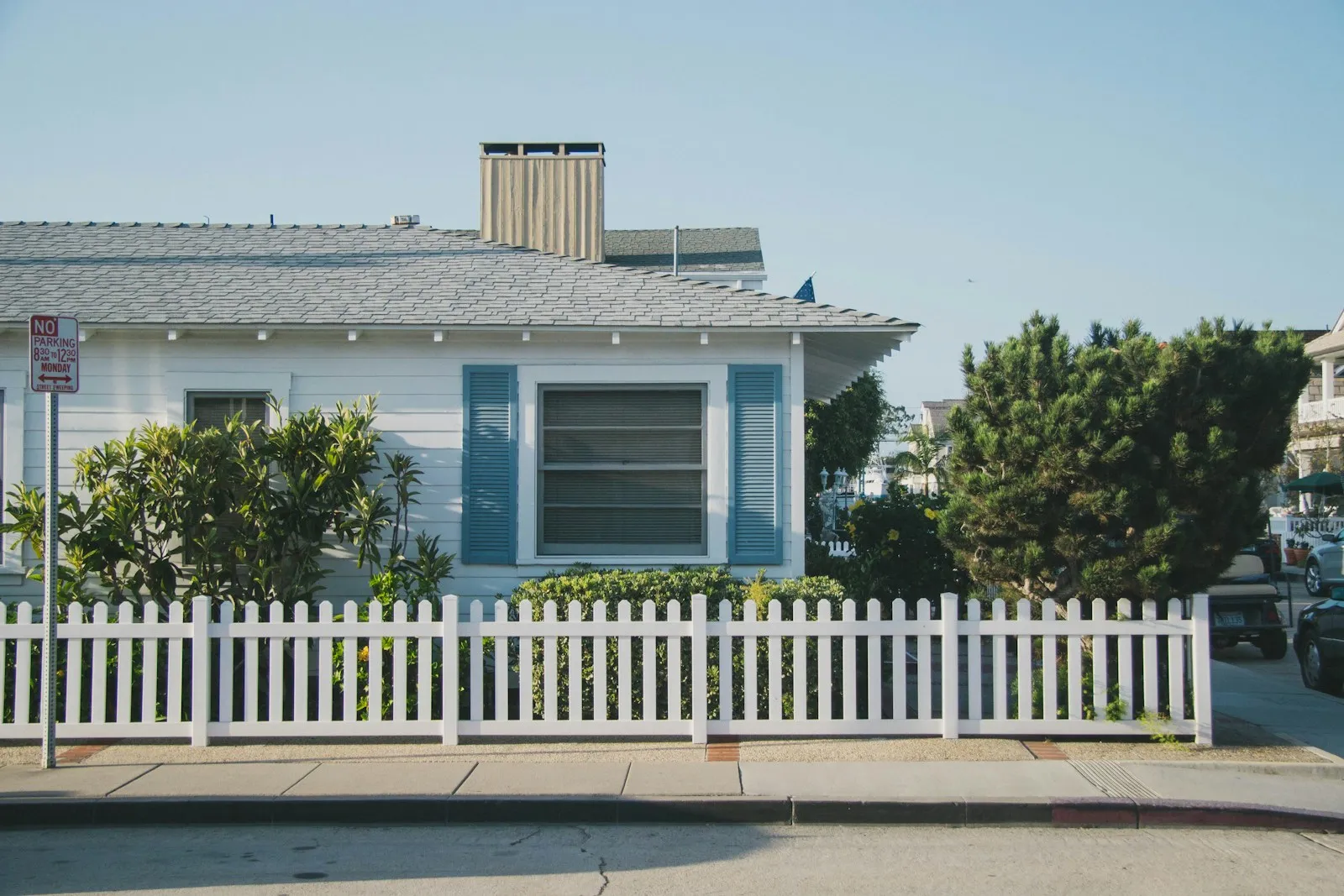
Picket fences for historic Salisbury homes
Salisbury's older neighborhoods are full of houses with real character. A fence in front of one of those homes should respect the house.
A few rules of thumb worth following:
- Scale. Keep the fence low and open enough that the house, not the fence, is what people see.
- Spacing. Gaps between pickets roughly equal to picket width tend to look right on older homes.
- Material. Painted wood is almost always appropriate. Bright white vinyl can look out of place on some historic houses.
- Gates. A front gate should line up with the walk and the front door. It is the detail people notice first.
If your property is in a local historic district, a new or changed fence may need city review before work starts. Check with the city first. The contractor can help you think through styles before you apply, but the city has the final say.
How a picket fence goes in
- Free on-site visit to look at the house, yard, walk and street.
- Written quote with style, height, material, gates and paint or stain notes.
- NC811 marks utilities. You confirm the property line, which matters a lot near sidewalks and the street.
- Posts are set, rails attached and pickets installed level and evenly spaced.
- Gate hung and adjusted, site cleaned and a walk-through with you.
Most front-yard picket fences take one to two days. Painting can be done by you or arranged separately after the wood is ready.
What picket fences cost
A front-yard picket fence is usually a short run, so it is often one of the smaller fence jobs. The price depends on footage, height, picket style, post size and how much decorative detail you want. Gates are priced separately. We don't publish prices because every house is different. Your actual price comes from a free on-site visit and a written quote. See the fence prices page for more.
What a good picket fence installer won't do
- Talk you into a style that fights your house just because it is easier to install.
- Place a fence near the sidewalk or street on a guess. The line gets confirmed first.
- Skip the gate details. A crooked front gate ruins an otherwise good fence.
- Set posts before NC811 has marked underground utilities, even for a short front-yard run.
Keeping a picket fence looking good
Paint is protection as much as looks. Keep an eye on the tops of pickets and the bottom of posts, where water sits longest. Touch up chipped paint before it peels further, and keep mulch and soil off the bottom of the pickets. A loose picket or a sagging gate is a quick fence repair if you catch it early.
Questions people ask
How tall should a front-yard picket fence be?
Most front-yard picket fences are 3 to 4 feet tall. That height defines the yard without hiding the house. Some neighborhoods and HOAs have rules on front-yard fence height, and historic districts may too, so check with the city before you settle on a design.
Is wood or vinyl better for a picket fence?
Painted wood looks more traditional and is usually the better match for older homes. It needs repainting over the years. Vinyl needs almost no upkeep but can look too bright or uniform in front of some historic houses. A good installer will tell you honestly which fits your house better.
Do I need permission to put a picket fence in front of a historic house?
If the property is in a local historic district, a new or changed fence may need city review first. Check with the city before work starts. Outside those districts, normal permit rules apply, and the contractor pulls any permit that is needed.
Can you match an existing picket fence?
Often, yes. The crew can match picket width, spacing and top style closely for an extension or partial replacement. New wood will look different until it is painted to match the existing fence.